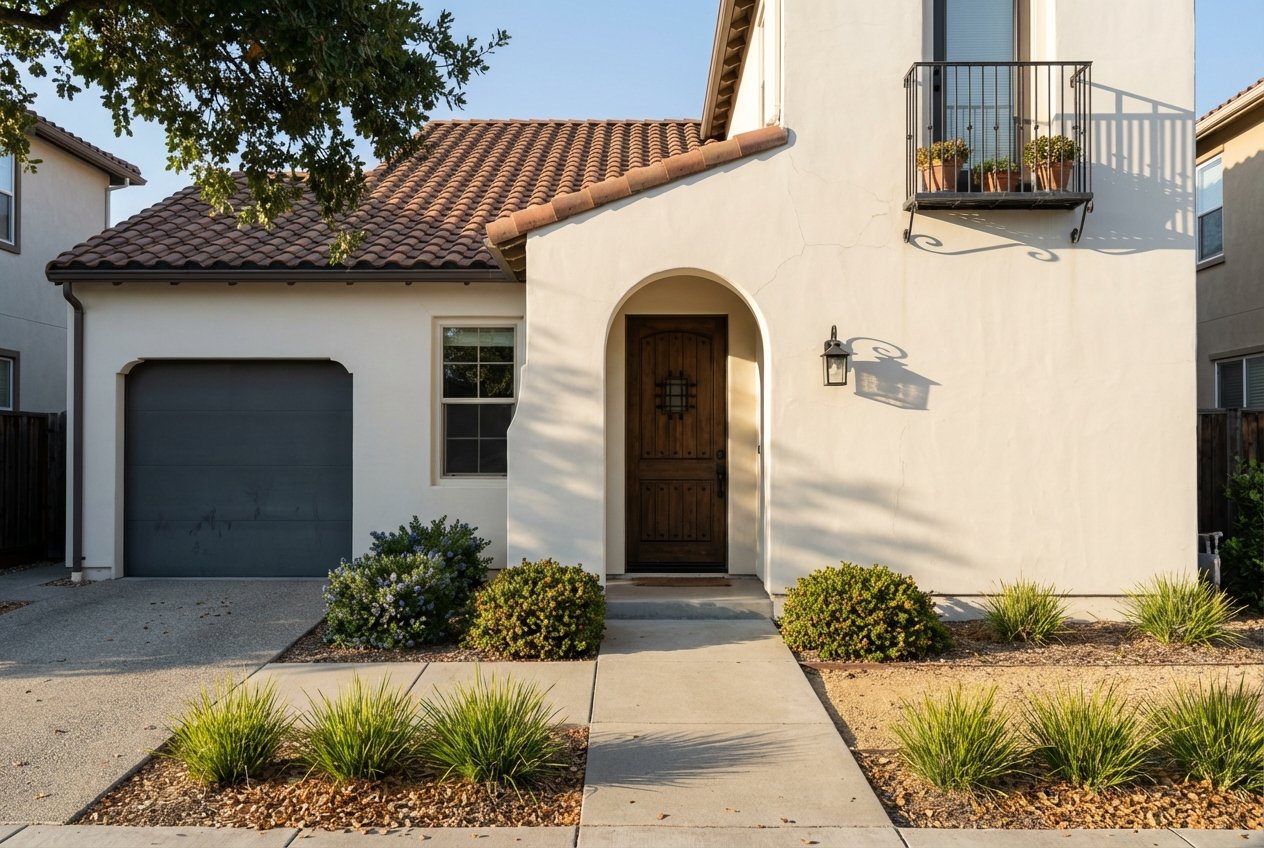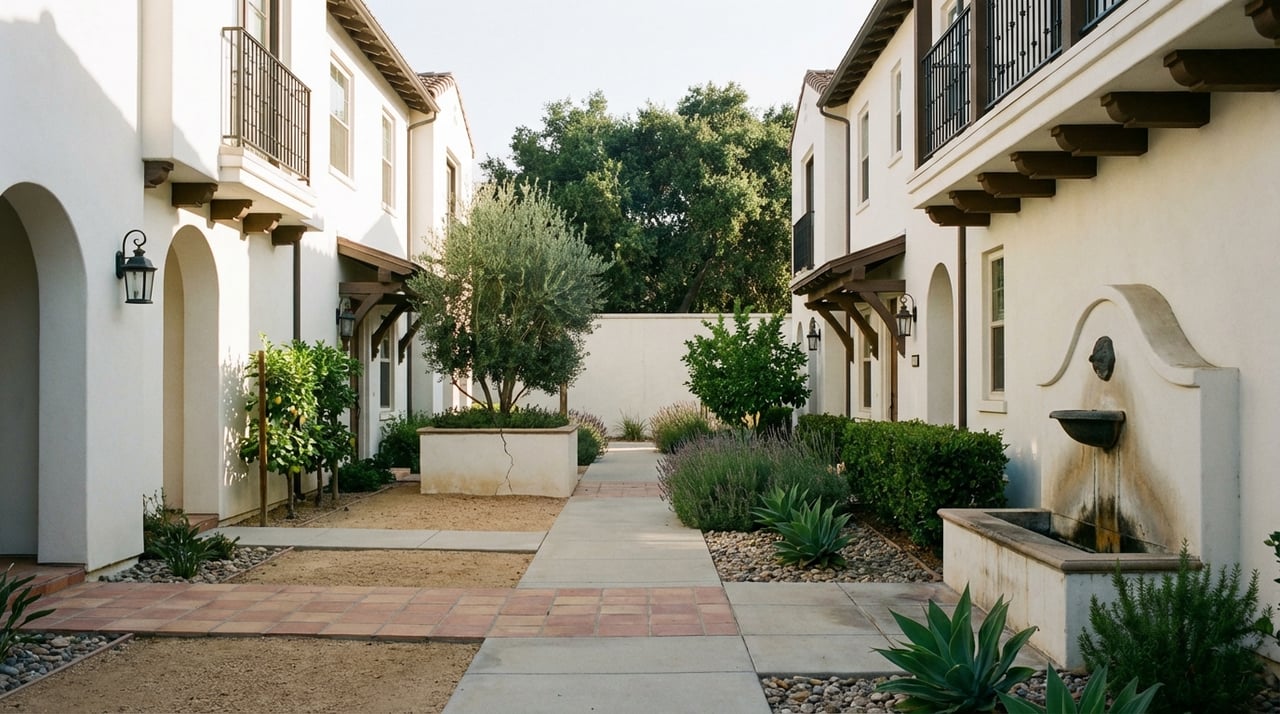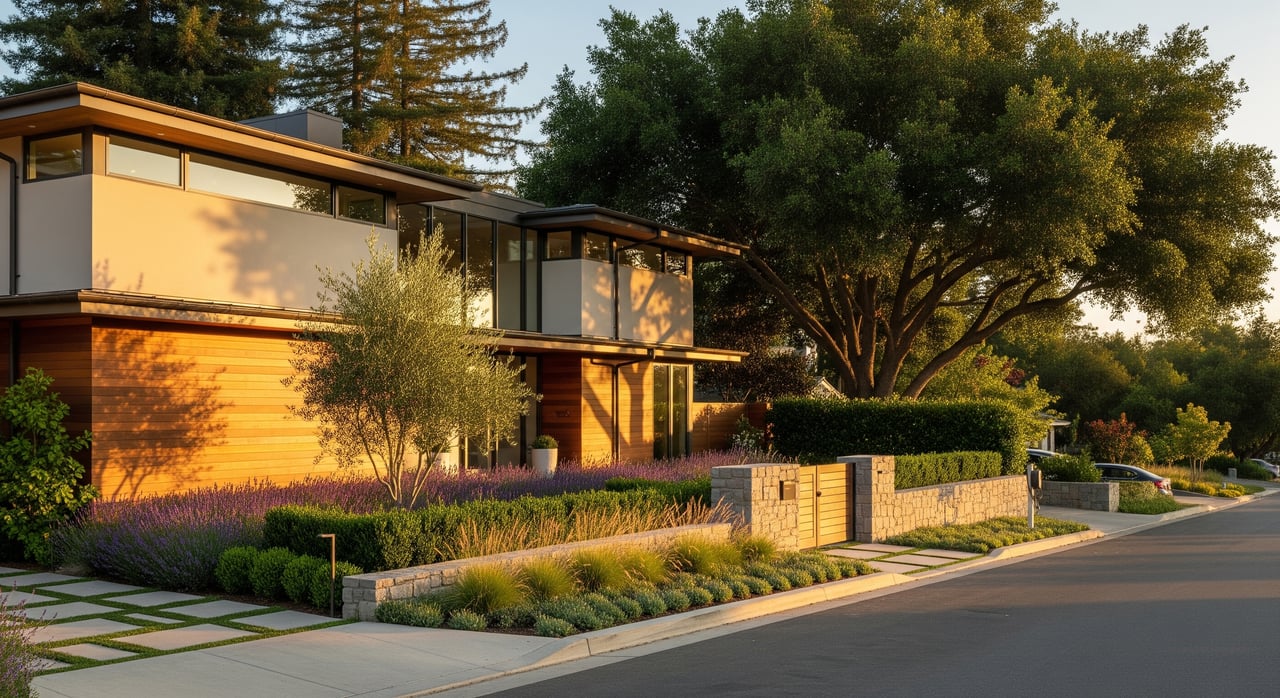
Looking at Palo Alto homes and wondering if an SB9 lot split could unlock extra value? You’re not alone. California now provides a ministerial path to split certain single-family lots and add more homes, but feasibility in Palo Alto depends on objective local rules and site conditions. In this guide, you’ll learn how SB9 works, what to check on a specific parcel, and the steps to move from idea to approval. Let’s dive in.
SB9 basics: the two core paths
SB9 provides a ministerial process for two key actions on eligible single-family parcels:
- A lot split into two legal parcels using objective standards.
- Approval for up to two residential units on a single-family lot using objective standards.
You can also combine these paths. If a lot qualifies for a split, each new parcel may be eligible for up to two units, which can mean up to four total homes if all standards are met. All reviews are ministerial, which means approvals are based on clear, objective rules rather than discretionary hearings.
Ministerial vs discretionary review
Under SB9, cities must use objective standards such as numeric setbacks, height limits, lot coverage, parking, and parcel dimensions. Staff review applications against those rules and issue written decisions. Cities cannot require subjective design review. They can, however, deny or condition projects that do not meet objective standards or that fall under specific statutory exceptions.
When a parcel may be ineligible
State law and local implementation include common exceptions. A parcel or project may be denied if it:
- Is within a designated historic district or would demolish a historic resource.
- Falls within protected environmental areas such as wetlands or floodways, or has unsafe geologic or wildfire hazards.
- Requires demolition of recently tenant-occupied housing.
- Conflicts with recorded restrictions that bar lot splits, such as certain CC&Rs.
These determinations rely on objective evidence. Local staff typically flag potential issues during pre-application review.
Lot split vs two units vs both
- Lot split only. You create two legal parcels from one. Each new parcel must meet objective size and dimension rules.
- Two units only. You add up to two homes on one existing single-family lot, subject to objective development standards.
- Combined path. You pursue a lot split and then add up to two units on each resulting parcel, if both parts comply with applicable rules.
This choice depends on parcel dimensions, overlays, utilities, and your financing and hold strategy.
Palo Alto factors that shape feasibility
Palo Alto’s planning and physical context often set the boundaries for SB9 outcomes.
Trees and historic resources
Palo Alto has mature tree canopy and local tree protection rules. Protected trees can influence building footprints and drive mitigation needs. The city also maintains historic inventories. Parcels in historic districts or with designated historic structures may be ineligible or require special scrutiny.
Environmental and hazard overlays
Parts of the city may fall within floodplains, groundwater-sensitive areas, or other hazard overlays. These conditions can limit where you build or make a lot split ineligible.
Lot size, frontage, and zoning
Single-family zoning districts have varying lot sizes and dimensions. Some parcels are too small or oddly shaped to create two compliant parcels. Easements and recorded restrictions can also limit where a boundary line can go.
Utilities and infrastructure
Sewer, water, and stormwater capacity are common cost drivers. You may need to upgrade laterals, confirm connection points, and meet stormwater standards. These requirements affect scope, budget, and timeline.
Tenant and demolition considerations
If rental units are present or if demolition is required, tenant protections and replacement requirements may apply. These rules can limit or reshape the project.
Feasibility checklist for Palo Alto buyers
Start with a quick screening before you run numbers or write an offer.
- Ownership and title
- Confirm ownership, CC&Rs, easements, and other recorded items that could block a split.
- Check for loans or liens that may require lender consent.
- Parcel characteristics and zoning
- Identify the zoning designation and any special overlays.
- Measure lot area, frontage, and configuration to see if a second legal parcel is realistic.
- Physical constraints and reports
- Inventory protected trees; consider an arborist review.
- Determine if geotechnical or soils work is likely.
- Review sewer, water, and stormwater needs and potential upgrades.
- Local objective standards
- Note setbacks, height, lot coverage, FAR or floor-area limits, and parking.
- Ask whether objective compatibility standards apply to SB9 projects.
- Financial and financing considerations
- Estimate permit, connection, and impact fees, plus any tree mitigation.
- Consider tax reassessment for new construction and the split.
- Speak with lenders about underwriting for small-lot multi-unit properties.
- Tenant and legal review
- Confirm tenant protections if units exist.
- Engage legal counsel and a title company if covenants or complex restrictions appear.
The local process: what to expect
Most SB9 efforts follow a predictable sequence:
Pre-application inquiry. Contact Palo Alto Planning to validate eligibility and identify overlays or constraints.
Application submittal. Provide materials such as a title report, site plan, legal description, tree information, and any required studies. The city will complete a ministerial completeness review.
Objective review and decision. Staff will assess the proposal against objective zoning and subdivision standards and issue a written approval or denial.
Recordation. If a lot split is approved, you record the parcel map or certificate of compliance with the county recorder.
Building permits. Submit building plans for units. Plan check and inspections are ministerial and based on objective standards.
Timelines vary by project and whether studies are needed. Confirm current city processing expectations with staff.
Parking, height, and other standards
Palo Alto can apply objective standards such as:
- Setbacks, height limits, lot coverage, and floor-area controls.
- Parking requirements, with limited exemptions in specific cases.
- Tree protection and landscape rules.
- Utility connection and capacity standards.
These rules are numeric or measurable. They should not be used to create subjective design review, but they still shape the building envelope and yield.
Budget and lending considerations
SB9 is a development play as much as a planning exercise. Build a simple pro forma that accounts for:
- Municipal costs. Application fees, impact fees, utility connections, and tree mitigation.
- Professional services. Survey, title, arborist, geotechnical, civil, and architectural work.
- Carry costs. Interest, insurance, taxes, and contingency for longer reviews or added reports.
- Financing. Many lenders apply different criteria to small-lot multi-unit projects. Start those conversations early.
- Taxes. New construction typically triggers reassessment of added value. Discuss with your tax advisor and the county assessor.
Smart next steps for buyers
- Step 1: Screen the parcel. Use city GIS and records to check zoning, overlays, trees, and recorded restrictions.
- Step 2: Meet with Planning. Request a pre-submittal meeting to confirm SB9 eligibility and the objective standards that will apply.
- Step 3: Hire the right pros. Order a boundary survey and title report, and schedule an arborist review. Engage architects or engineers with local SB9 experience.
- Step 4: Line up financing. Talk to construction and permanent lenders about structure, timelines, and underwriting.
- Step 5: File the SB9 application. Respond to completeness checks, record the split if approved, then pursue building permits.
If you want a practical read on SB9 potential before you offer, or need help prioritizing parcels that can pass Palo Alto’s objective standards, we can help you move quickly and confidently. Get a focused property screen and a transaction-first plan with Stark Complete Real Estate Services.
FAQs
Can Palo Alto deny an SB9 lot split?
- Yes. Denials can occur if the parcel falls under statutory exceptions or the proposal fails to meet objective standards adopted by the city.
What makes a parcel ineligible under SB9?
- Common issues include historic districts, demolition of a historic resource, protected environmental areas, unsafe hazards, tenant-occupied units slated for demolition, or recorded restrictions that bar splitting.
How many homes can I build with SB9 in Palo Alto?
- Up to two units on a single eligible lot, or potentially up to two per parcel if you also complete a compliant lot split, subject to all objective standards.
Do tree rules affect SB9 projects in Palo Alto?
- Often. Protected trees can limit building footprints and trigger mitigation; you may need arborist review and to follow the city’s tree protection rules.
How long does an SB9 approval take in Palo Alto?
- It varies. SB9 is ministerial, but completeness checks, required studies, and recordation steps can add time. Confirm current timelines with city staff.
Will an SB9 project change my property taxes?
- New construction generally triggers reassessment for the added value of improvements. Consult your tax professional and the county assessor.
Can financing be challenging for SB9 builds?
- It can be. Lenders may use different underwriting for small-lot multi-unit properties. Start lender discussions early to confirm terms and timing.