Thinking about buying a home in San Carlos, San Diego? You probably want more space, a calm neighborhood feel, and access to the outdoors, without giving up too much on commute time or budget. The key is understanding the real tradeoffs this hillside community asks you to make. In this guide, you’ll learn how San Carlos balances views and yard space, older homes and remodel costs, commute options, schools, hazards, and permitting, along with practical steps to evaluate each home. Let’s dive in.
Who this guide helps
San Carlos attracts several buyer types. If you are a first-time buyer, you may be weighing price and commute against condition. If you are a move-up family, you likely prioritize yard size, floor plan, and nearby parks and schools. If you are a downsizer, single-level living and lower maintenance may matter most. The tradeoffs below map to each group so you can set clear priorities before you tour.
Housing mix and condition
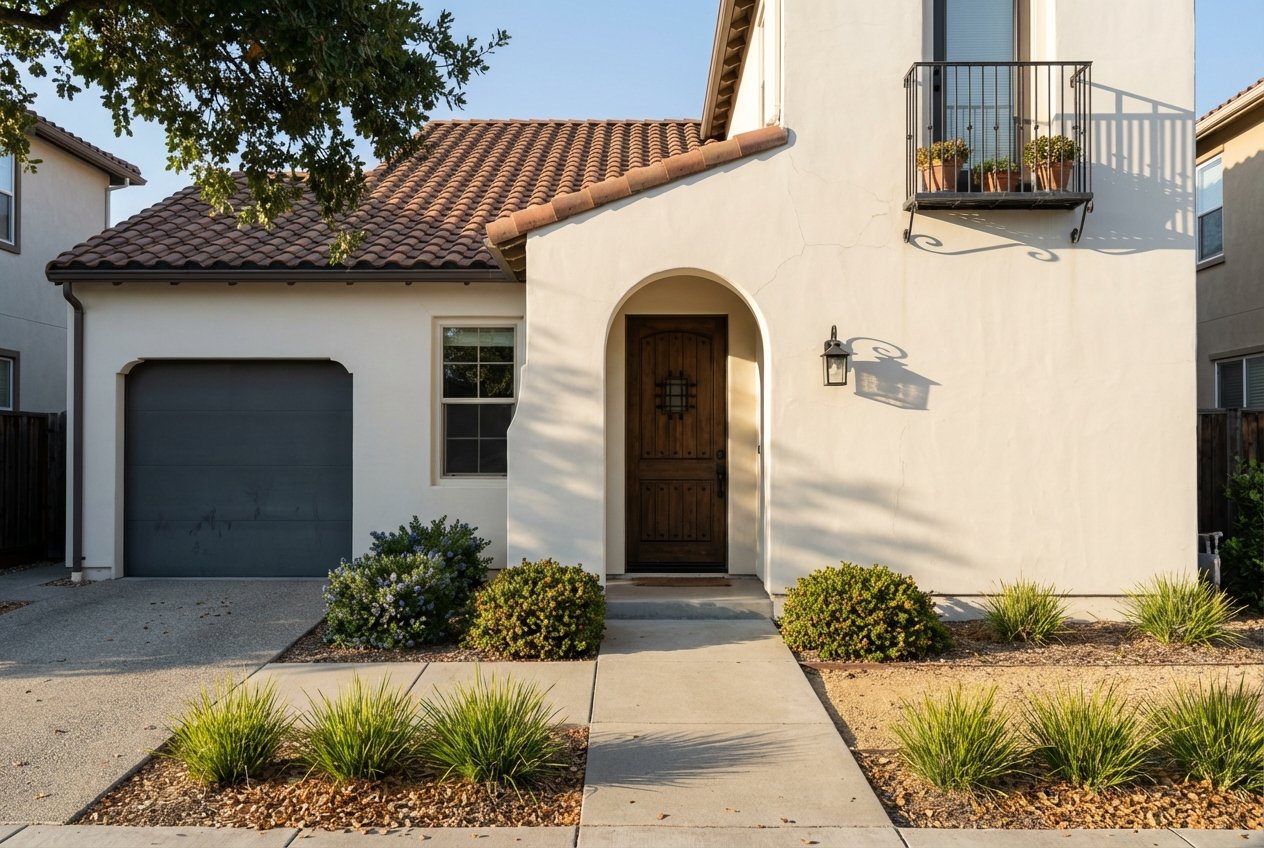
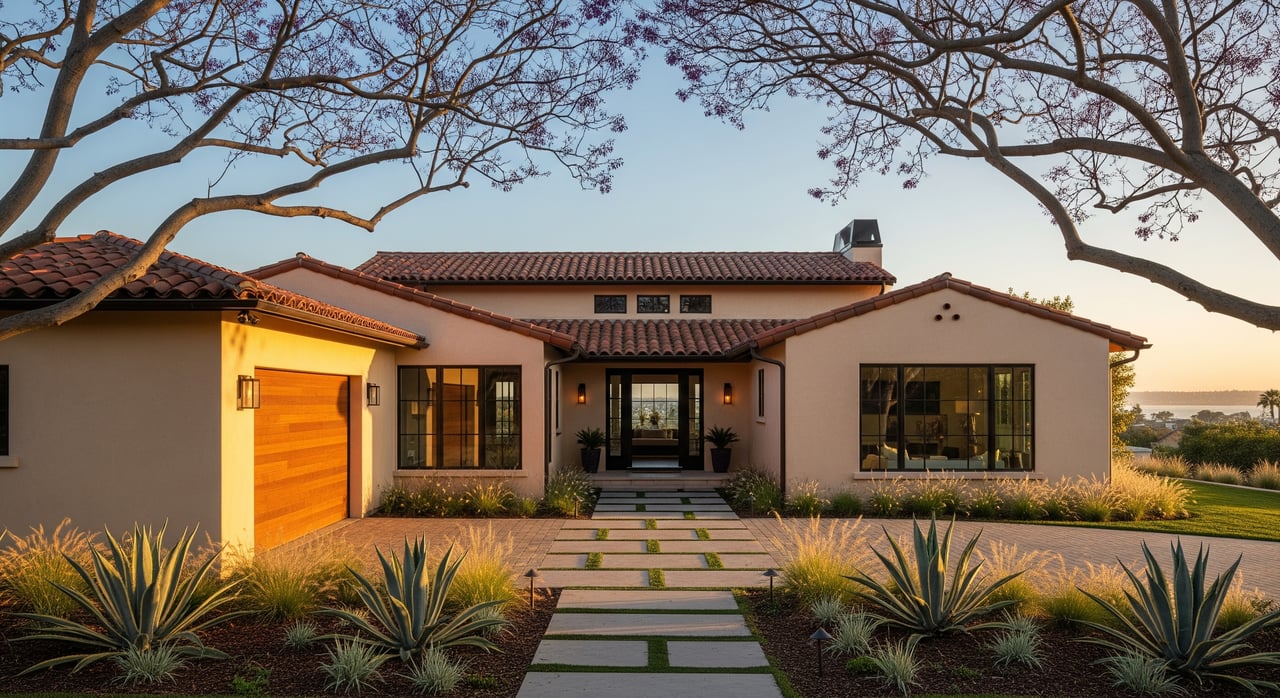
San Carlos is primarily single-family homes, many built in mid-century years with a mix of single-story ranch and two-story layouts. You will see original-condition properties alongside homes that have been updated or expanded. Condos and townhomes exist in smaller pockets compared to the single-family majority.
Original vs remodeled
Many older homes carry character and larger lots, but systems often need modernization. Common items include electrical capacity, HVAC efficiency, plumbing updates, and seismic anchoring. Move-in ready properties that have been substantially remodeled tend to command a premium. If you are comfortable updating over time, you can target solid structures with original finishes and budget for upgrades.
Lot size and slope
Hillside parcels can feel private and often capture broader views. The tradeoff is slope management, potential retaining wall needs, and driveway grades. Flatter parcels typically offer more usable outdoor space, easier access, and simpler yard maintenance, though they may trade away skyline views.
Price and value tradeoffs
You will likely balance three levers: location and lot, interior condition, and commute. In San Carlos, buyers often pay for larger lots and the neighborhood’s outdoor lifestyle while accepting older interiors. If you want turnkey finishes, expect stronger competition. If you are flexible on finishes, you can prioritize lot quality, floor plan, and future potential.
For long-term value, proximity to parks, schools, and main commuter routes generally supports resale. Inventory levels and days on market change quickly, so base offers on recent comparable sales and not just monthly headlines.
Topography, views, and outdoor living
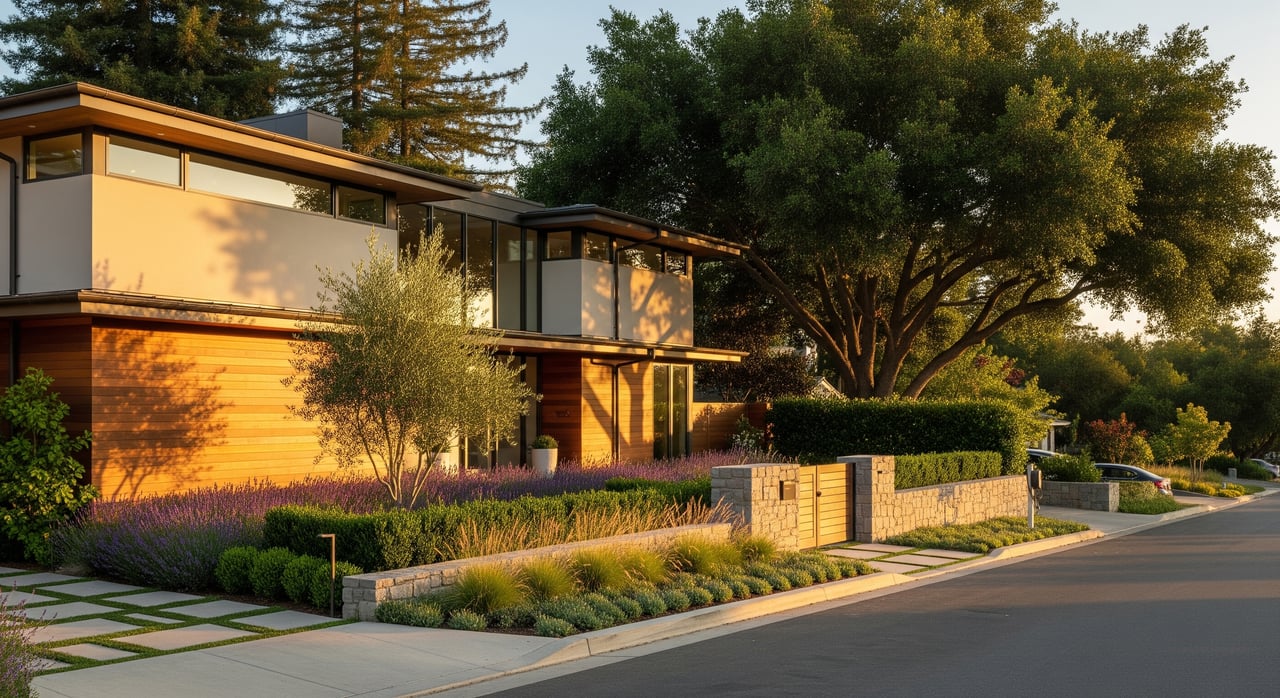
San Carlos’ hills create micro-neighborhood differences. Elevated streets can offer expansive views. The tradeoff is that slope can limit flat play areas, constrain pool placement, and increase landscape maintenance. On flatter streets, yards are easier to use for kids, pets, and entertaining, though views are more limited.
Outdoor access is a major draw. Many buyers choose San Carlos for everyday trail time and neighborhood recreation. The area benefits from nearby regional open space, including Mission Trails Regional Park, which supports hiking, biking, and community programs. If an outdoor-focused lifestyle appeals to you, consider how close a home sits to trailheads or parks, and how practical it is to get there on foot or by bike.
Commute and transportation
San Carlos offers a mostly residential feel with access to the region’s freeway network via nearby arterials. The core tradeoff is convenience versus noise. Homes closer to major routes can reduce commute time but may experience more traffic sounds. Homes tucked deeper into residential pockets offer a quieter experience but can add minutes to morning and evening drives.
Transit options vary, and service levels can change. If you are transit-curious, review regional agency maps for current routes and schedules. The best approach is to test your actual commute during peak hours on different days. Save routes in your mapping app, compare early-morning against evening, and factor in school-year traffic.
Schools and family amenities
If schools are a priority, verify current school assignments directly with the district’s official boundary lookup. Programs and boundaries can change year to year. Compare academic offerings, enrichment, and after-school care options across schools that serve San Carlos.
Family amenities are a strength. Parks, playgrounds, and recreation centers are accessible, and the trail system expands weekend options. Living near a park can increase convenience while bringing more daytime and weekend activity on nearby streets. Decide whether you prefer direct park access or a quieter interior block.
Safety and environmental hazards
Hillsides and brush-adjacent areas can carry wildfire exposure. Review official fire hazard severity maps and ask about local vegetation management and defensible space. Insurance availability and pricing can vary with risk category, so consult a knowledgeable insurance broker early.
Flood risk is generally parcel-specific. Confirm whether a property sits in a mapped flood zone and ask your lender about flood insurance requirements. For neighborhood safety context, review local police department crime maps. Look for patterns over several months rather than drawing conclusions from a single incident.
Carrying costs, permitting, and ADUs
Your ongoing costs include base property taxes, possible special assessments, and any HOA dues if applicable. Some parcels may be subject to Mello-Roos or other assessments. Always review the current tax bill for the exact parcel you are considering.
For renovations or additions, check the City of San Diego’s Development Services for permit history and current rules. Accessory Dwelling Unit opportunities are governed by citywide ADU regulations. Lot size, setbacks, utilities, parking, and hillside constraints can affect feasibility. If you are buying with expansion in mind, verify what is allowed before you write an offer.
Future development and neighborhood character
City planning work, rezoning, and infrastructure projects can shape how an area evolves. New transit or road improvements may shorten commutes while introducing temporary construction noise. Infill housing or commercial changes nearby can shift traffic, privacy, or view corridors. Before you commit, check current planning agendas and pending projects within the community planning area.
Showing-day home and site checklist
Use this quick list during tours to spot early signals and frame follow-up inspections:
- Approach and slope: Assess driveway steepness, garage access, and street parking practicality.
- Lot drainage: Look for soil erosion, water pooling, and gutter downspout routing away from the foundation.
- Retaining walls: Check for cracks, lean, or bowing. Note wall material and age if known.
- Roof and exterior: Estimate roof age if disclosed, scan for sagging or missing shingles, and inspect fascia and eaves.
- Foundation and floors: Note sloping floors, door sticking, or visible cracks to discuss with your inspector.
- Interior systems: Ask about electrical panel capacity, HVAC age, and plumbing updates.
- Water intrusion: Look for staining at ceilings, around windows, and in garages or under sinks.
- Garage and additions: Confirm whether conversions, decks, and sheds appear permitted. Flag anything that looks improvised.
- Yard usability: Measure flat areas for play or entertaining, consider sun exposure, and note any steep or terraced sections.
- Noise and activity: Visit at different times for traffic, school, or park activity patterns.
Recommended due diligence and inspections
Professional evaluations can save you from surprises and support negotiations:
- General home inspection for structure and systems.
- Pest and termite inspection, especially for older wood framing.
- Sewer lateral inspection to assess pipe condition and root intrusion.
- Roof inspection for remaining life and repair scope.
- Foundation or geotechnical consult if slope or retaining walls raise concerns.
- Insurance review for wildfire and any special risks.
- Permit history and zoning confirmation with the City of San Diego.
- Boundary and school assignment checks with the district.
- Parcel-specific tax bill review with the County.
View or yard: which to prioritize
If you value daily indoor-outdoor living, a larger flat yard can be more useful for pets, play, and gatherings. If scenic outlooks and sunsets are your priority, a view home may be worth the maintenance and slope tradeoffs. Think about your weekday routine and how you will use the space nine months of the year, not just on vacation days.
Commute convenience or quiet streets
If you work traditional hours, shaving minutes off your daily drive can improve quality of life. In that case, consider homes with quicker access to major routes and accept some ambient traffic. If you spend more time at home or work flexible hours, a deeper interior location can offer the quieter neighborhood experience you want.
Fixer or move-in ready
Fixers let you buy the right lot and floor plan, then customize over time. The tradeoff is project management and carrying costs during upgrades. Move-in ready homes simplify your first year but often come at a premium. If you are financing renovations, align your budget with contractor timelines and be sure permits were pulled for prior work.
How to use official resources
When you narrow to a short list, verify details with primary sources:
- School boundaries and programs: Use the district’s official boundary lookup and compare program offerings.
- Commute and transit planning: Review regional commute and transit maps. Test real-world drive times during peak periods.
- Crime maps: Check the local police department’s online tools for recent activity trends.
- Fire and flood risk: Review CAL FIRE hazard severity maps and FEMA flood layers for the parcel.
- Permits and zoning: Search the City of San Diego’s permit history and confirm current ADU and remodel rules.
- Property taxes and assessments: Verify the parcel’s exact tax bill with the County Assessor and Tax Collector.
Your next step
If San Carlos fits your lifestyle but you want help weighing view versus yard, commute versus quiet, and fixer versus turnkey, get an experienced second set of eyes on your short list. A broker-led process keeps your focus on the highest-value tradeoffs and helps you move decisively when the right home hits the market.
Ready to map your San Carlos plan? Call Susan Stark for a private market consultation or reach out to Stark Complete Real Estate Services to get started.
FAQs
Is buying in San Carlos, San Diego a good investment?
- Demand is supported by access to parks and trails, a strong single-family housing base, and neighborhood amenities. Evaluate recent comparable sales, inventory, and days on market to gauge momentum rather than relying on a single-year snapshot.
How are commutes from San Carlos to job centers?
- Commute times vary by proximity to major routes and departure time. Test your exact route during peak hours on multiple days and balance faster access against potential traffic noise near arterials.
Do older San Carlos homes need major renovations?
- Many will need system updates over time. Prioritize checks on electrical capacity, plumbing, HVAC, roof life, drainage, and any retaining walls. Review permit history and obtain a general, roof, pest, and sewer inspection.
Can I build an ADU on a San Carlos property?
- ADU feasibility depends on City of San Diego rules, lot size, setbacks, parking, hillside constraints, and utility capacity. Confirm zoning and consult the City’s Development Services before you buy if an ADU is part of your plan.
What wildfire or flood risks should I check?
- Brush-adjacent or hillside parcels can carry wildfire exposure that affects insurance and maintenance. Verify parcel risk on official fire and flood maps and ask about defensible space, vegetation management, and insurance availability.
Are there Mello-Roos or special assessments in San Carlos?
- Some parcels may be subject to special taxes. Always review the current property tax bill for the specific address to confirm base taxes, assessments, and any bond obligations.
Should I choose a view home or a bigger yard in San Carlos?
- Choose a view if outlooks and sunsets are your top priority and you accept slope maintenance. Choose a bigger flat yard if everyday outdoor use for kids, pets, and gatherings matters more.