Thinking about adding an accessory dwelling unit to your Redwood City property? You are not alone. More homeowners on the Peninsula are exploring ADUs to create income, support multigenerational living, or make better use of existing space. In this guide, you will learn the essentials for Redwood City and San Mateo County so you can plan with confidence and avoid costly surprises. Let’s dive in.
What an ADU is
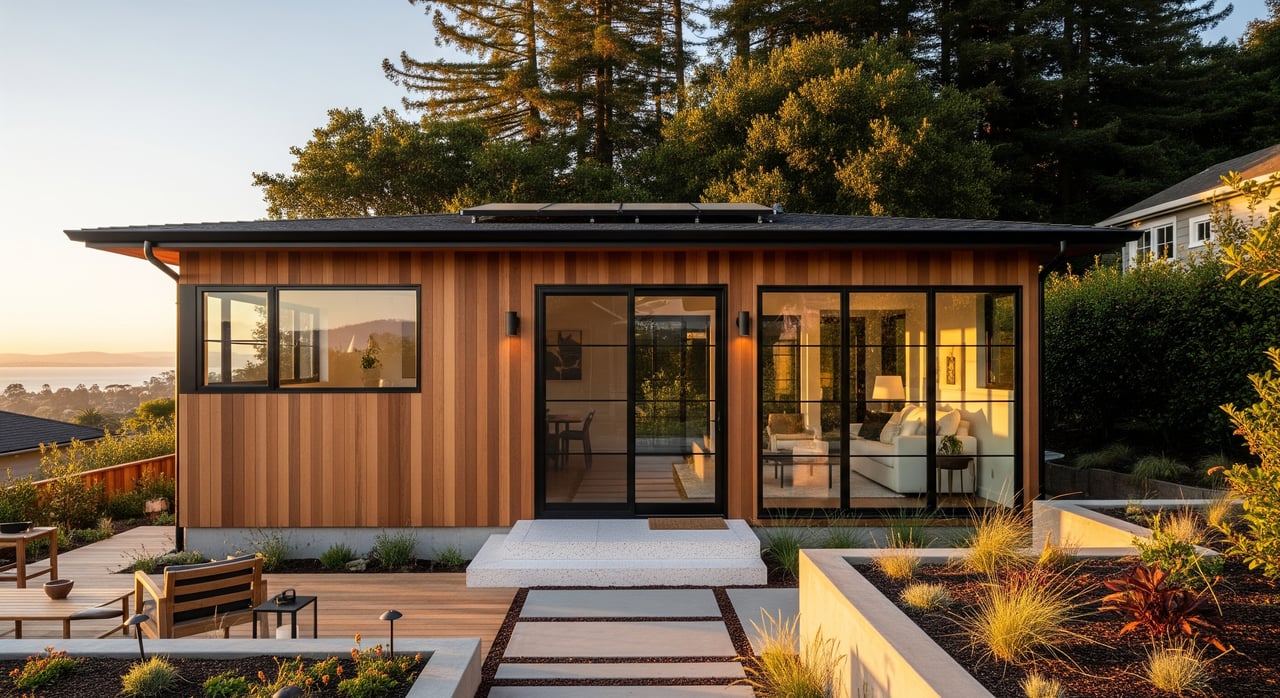
An accessory dwelling unit is a secondary home on the same lot as your primary residence. It has its own entrance, kitchen, and bathroom. You can build one with new construction, add to your home, or convert existing space, subject to local rules. Redwood City homeowners often pursue ADUs to generate rental income, house family, or increase property value.
Common ADU types
- Detached ADU: A separate backyard building.
- Attached ADU: An addition that connects to the main house.
- Interior conversion: A converted garage, attic, or basement.
- Junior ADU (JADU): A smaller unit created within the existing home with more limited size and shared systems.
Rules you must confirm locally
California law makes many ADUs eligible for ministerial approval if they meet objective standards. That helps streamline approvals and reduce discretionary hearings. Still, you must confirm Redwood City’s local standards before you start design or hire a contractor.
Zoning and lot eligibility
- Verify your property’s zoning allows ADUs and whether any special overlays apply.
- Check if historic or conservation districts affect location, design, or review steps.
Size, height, and placement
- Local rules set maximum ADU sizes and heights within state limits.
- Objective standards such as rear and side yard setbacks and lot coverage can constrain where an ADU fits.
Parking requirements
- State law reduced parking requirements for many ADUs. Some projects still require on-site spaces depending on site conditions.
- Transit proximity or special district status can affect parking exemptions. Confirm these early.
Owner-occupancy and rental rules
- State law limits long-term owner-occupancy requirements, but you should still confirm current local practice.
- Long-term rentals are commonly allowed. Short-term or vacation rentals may face restrictions, so check local rules.
Utilities and sewer or septic
- Plan for water, electric, and gas needs. Service capacity or meter upgrades may be required.
- If you are on septic, the San Mateo County environmental health team must clear capacity for additional flows.
Building, fire, and accessibility codes
- Your ADU must meet building and fire codes, including egress and smoke and carbon monoxide alarms.
- Wildland interface areas may require defensible space or other fire measures.
Permits and approvals in Redwood City
Projects that meet objective standards are typically approved ministerially. If you need variances or exceptions, you may face discretionary review and public hearings. Build your plan around the standard path to keep time and cost down.
Typical permit path
- Initial feasibility check with Planning to confirm zoning, constraints, and any special districts.
- Site survey and measurements for accurate setbacks and coverage.
- Schematic design that selects ADU type, size, and utility approach.
- Permit submittal to Planning and Building with architectural and engineering plans.
- Plan review and corrections, then resubmittal if needed.
- Permit issuance when plans meet objective standards.
- Construction with inspections at key milestones.
- Final approval and certificate of occupancy.
Key local stakeholders
- Redwood City Planning Division for zoning and objective standards.
- Redwood City Building Division and Permit Center for plan check, permits, and inspections.
- Redwood City Fire Department for fire code compliance.
- San Mateo County Environmental Health if your property uses a septic system.
- Local utility providers for service capacity, meters, and hookup costs.
Timeline: what to expect
Ministerial ADUs that fully meet standards can see plan review and permits in weeks to a few months, depending on city workload and submittal quality. Projects needing variances or extra technical review can stretch several months to a year or more. Expect time for contractor selection, utility coordination, and inspection scheduling. Starting with a complete, code-aligned submittal is the best way to save time.
Costs and financing basics
Construction costs on the Peninsula are typically higher than national averages. Budgets vary widely by ADU type, site conditions, and finish level. Avoid generic online cost calculators and build a project-specific estimate with local professionals.
Typical cost components
- Design and engineering
- Site work, foundation, and structure
- Mechanical, plumbing, and electrical systems
- Interior finishes and fixtures
- Utility connections or service upgrades
- Permits and any impact-related fees
- Landscaping and exterior improvements
- Septic upgrades if applicable
How to pay for an ADU
- Cash savings
- Home equity line of credit (HELOC) or home equity loan
- Cash-out refinance
- Construction loan or private lender financing
- Specialized ADU products from local banks or credit unions when available
Check lender requirements and any homeowners association rules if you are in a common-interest community. Incentives and grant programs change over time, so monitor Redwood City and San Mateo County housing updates and state resources for current offerings.
Feasibility checklist for Redwood City
Use this quick list to decide if your lot is a good candidate before spending on full plans.
- Does your zoning allow ADUs on your lot?
- Which ADU types and sizes are permitted for your property?
- Do setbacks, height limits, or lot coverage restrict your preferred location?
- Is your property on sewer or septic, and if septic, is capacity sufficient?
- How will parking be handled on site?
- Are there easements, slopes, or geologic constraints?
- Do HOA rules apply and allow ADUs?
- Can existing utilities support the new unit, or are upgrades needed?
- Will you rent long term, short term subject to local rules, or use the ADU for family?
Renting, taxes, and insurance
ADUs can generate rental income. Speak with a tax adviser about reporting rental income, expenses, and depreciation. Adding an ADU usually increases assessed value, so check with the County Assessor about property tax impacts. Notify your insurance carrier early; you may need to update your homeowners policy or obtain coverage suited for a rental unit.
Local contacts and smart next steps
Redwood City resources are your primary point of truth. For current standards and process, contact the Planning Division and Building Division. If you are in a fire-prone area, contact the Fire Department about any defensible space or fire code requirements. If your property is on septic, speak with San Mateo County Environmental Health before you design utility layouts. Coordinate early with electric, gas, water, and sewer providers on capacity and meter needs.
Recommended next steps:
- Book a brief pre-application conversation with Redwood City Planning to confirm feasibility.
- Order a site survey and ask a local contractor for a preliminary quote.
- Confirm sewer versus septic and start utility capacity discussions.
- Explore financing options with your lender and review any HOA covenants.
- If you plan to rent, review local rental rules and discuss tax treatment with a professional.
When you want to understand how an ADU could affect your sale, purchase, or investment strategy in Redwood City and San Mateo County, speak with a broker who understands both owner-occupied and small income property dynamics. Call Susan Stark for a private market consultation. Contact Stark Complete Real Estate Services to get started.
FAQs
What is an ADU and how is it different from a JADU?
- An ADU is a self-contained second home with its own kitchen and bath, while a junior ADU is a smaller unit created within the existing home that typically shares some systems and has more limited size.
Do I need city approval to build an ADU in Redwood City?
- Yes. You need planning and building permits, and many compliant projects qualify for ministerial approval that avoids discretionary hearings.
How long does ADU permitting take in Redwood City?
- Ministerial projects can move through plan review in weeks to a few months; projects seeking exceptions or with technical hurdles can take several months to a year or more.
Can I rent out my ADU in Redwood City?
- Long-term rentals are commonly allowed, while short-term or vacation rentals may be restricted; confirm current local rules before advertising.
Will I be required to live on the property if I build an ADU?
- State law limits local long-term owner-occupancy requirements, but you should verify current local practices and check your loan terms.
Can I convert my existing garage into an ADU?
- Yes, garage conversions are common, but they must meet building codes and objective standards, and they require planning and building permits.
What should I budget for utility hookups and upgrades?
- Costs vary based on service capacity, new meters, and sewer or septic needs. Coordinate early with the city and utility providers to scope potential expenses.