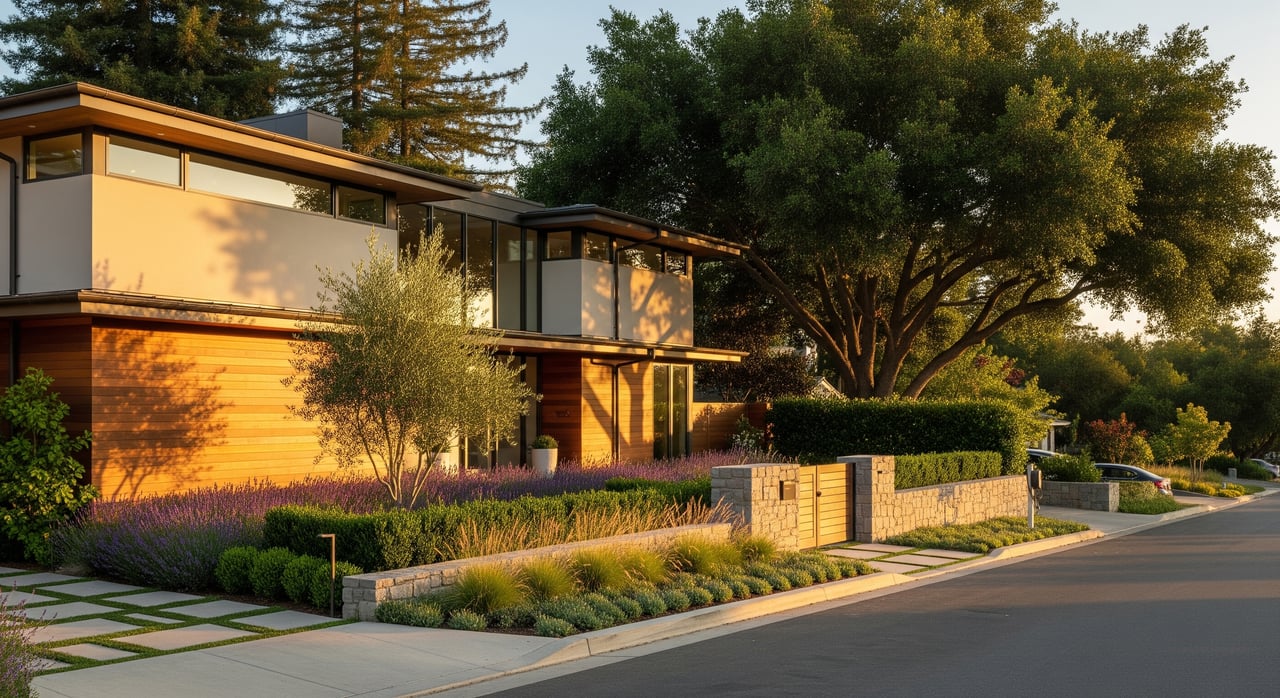
Picture tree-lined streets, a lively downtown, and quick access to major job centers. If you are weighing a move to Menlo Park, you likely want a clear read on daily life, commute options, and what homes really look like here. This guide gives you a practical overview so you can decide whether Menlo Park fits your goals. Let’s dive in.
Menlo Park at a glance
Menlo Park sits on the San Francisco Peninsula between Palo Alto and Redwood City. It blends an upscale suburban feel with a compact, walkable downtown centered on Santa Cruz Avenue and El Camino Real. The city is part of the broader San Francisco–Redwood City–South San Francisco metropolitan area and the Silicon Valley job market. You will find a mix of long-term residents, families, and tech professionals.
Neighborhoods and housing
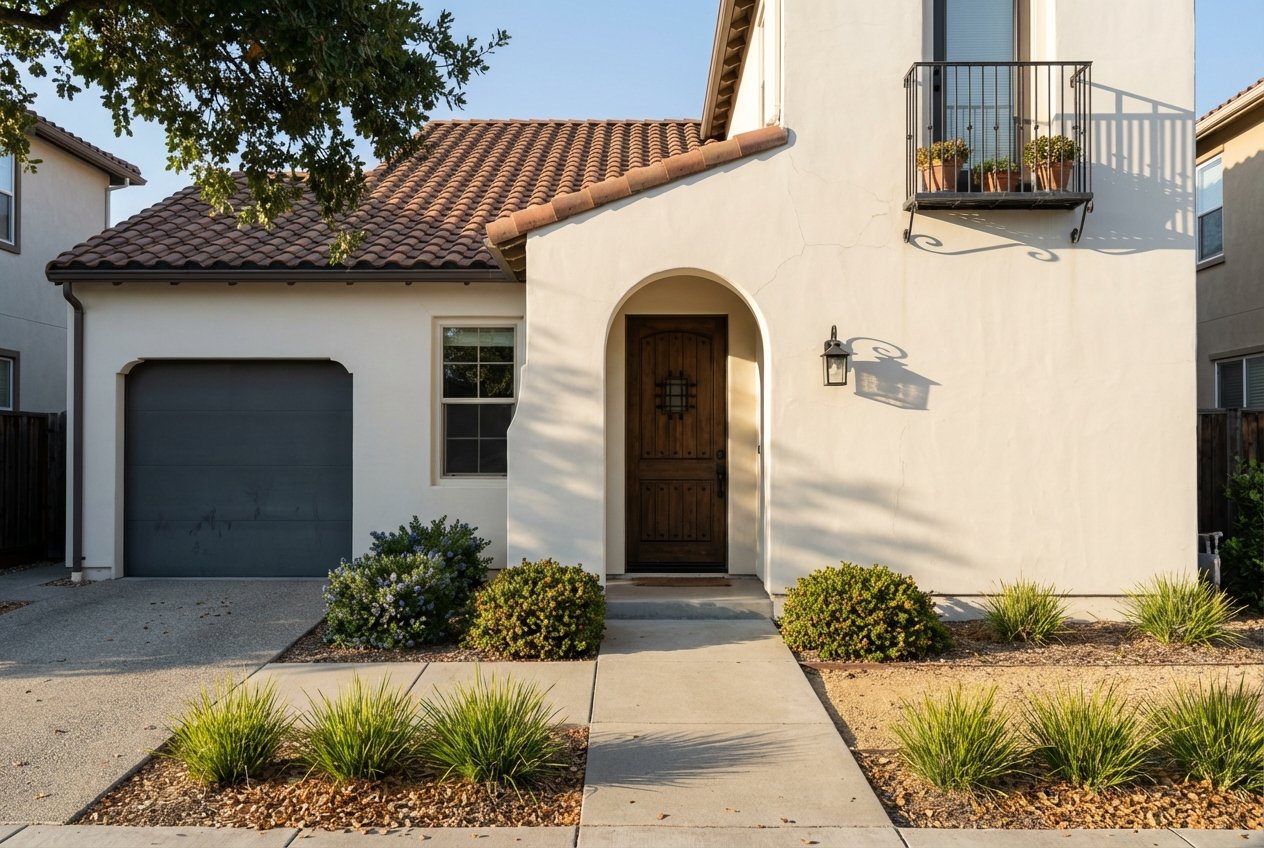
Housing in Menlo Park leans single-family, with condos and townhomes in smaller pockets. Many streets feature mature trees and yards, and you will see a range of architectural styles. Interior updates and expansions are common as owners modernize older homes.
Single-family homes lead
The primary housing stock is single-family homes, from early bungalows to mid-century and newer builds. Lots and styles vary by neighborhood. Many properties have outdoor space and a suburban scale.
Townhomes and condos
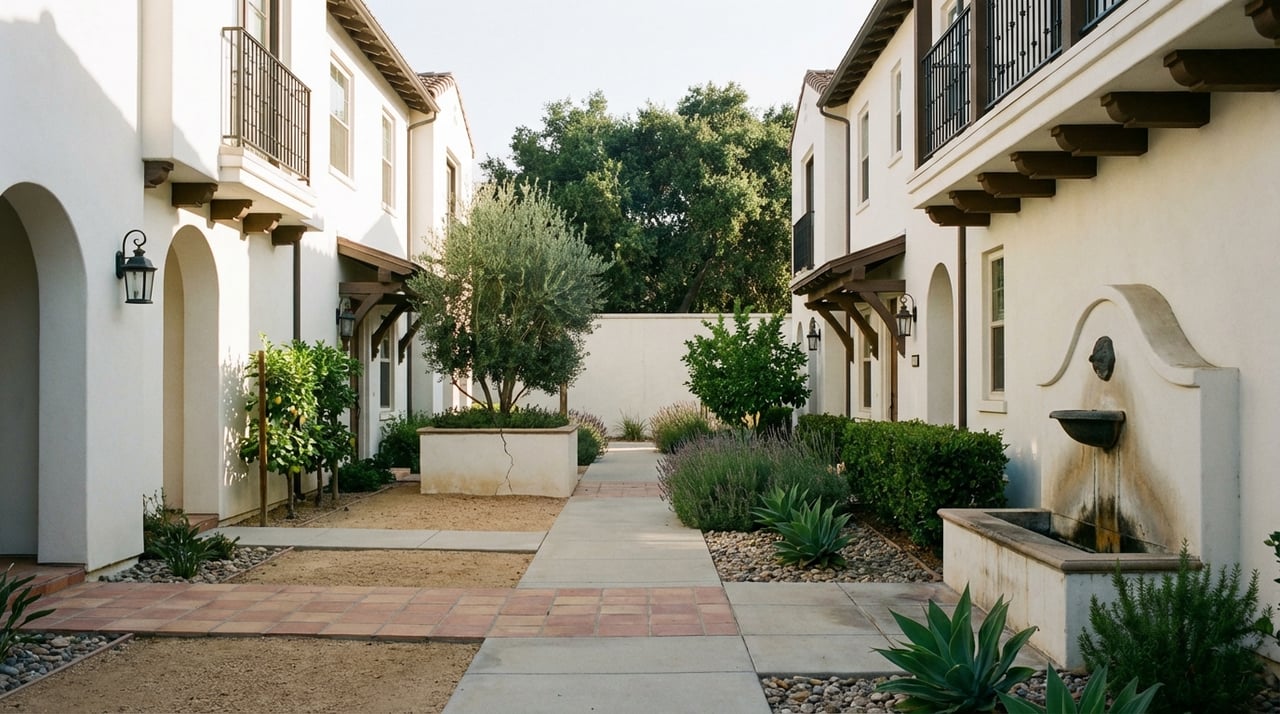
Attached homes exist across the city but make up a smaller share overall. These can be a practical entry point for buyers who want proximity to downtown or transit with lower maintenance needs.
Infill near transit
Select corridors near downtown and along transit routes include newer townhome and condo developments. These spots appeal if you prioritize walkability and commute efficiency.
What to expect by area
- Downtown and Central Menlo Park: Walkable blocks, cafés, and boutiques near the Caltrain station. You can run many errands on foot in this core.
- Sharon Heights and western neighborhoods: Quieter streets with a more traditional suburban feel and larger lots in some areas.
- Belle Haven and East Menlo Park: Areas that have seen investment and redevelopment activity, with a mix of housing types.
- Borders near Stanford and Redwood City: Quick access to neighboring amenities and cultural programming.
Downtown and conveniences
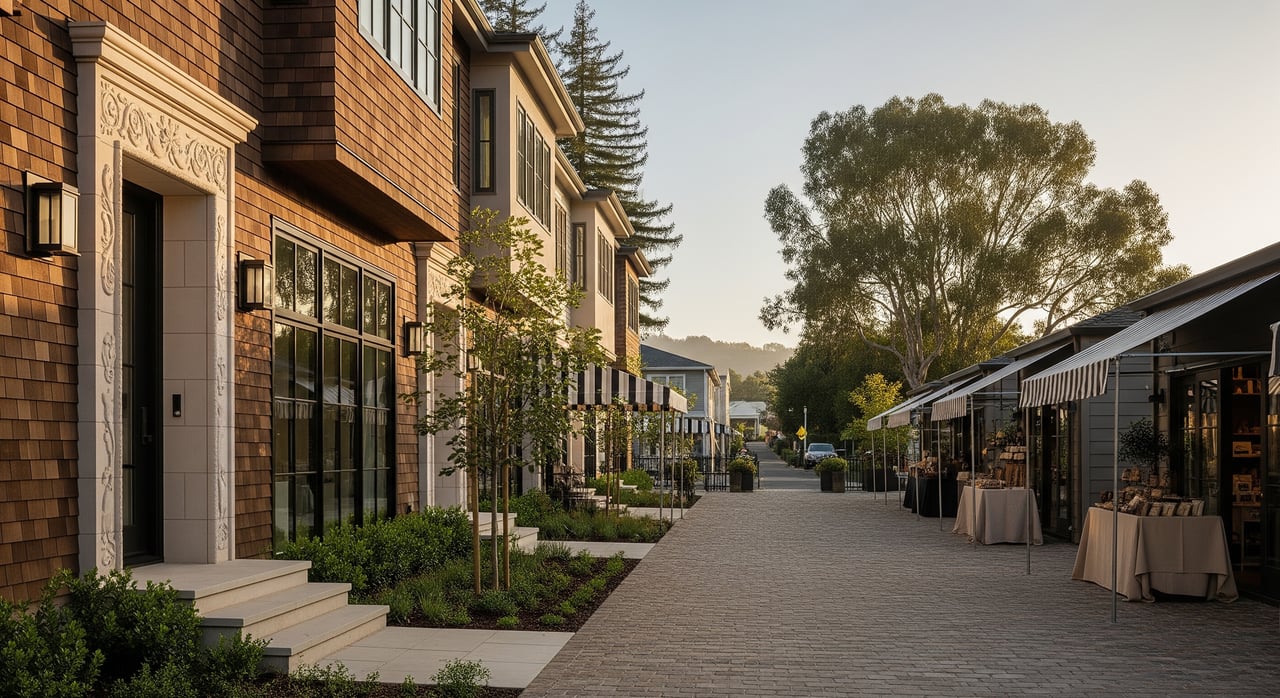
Menlo Park’s downtown is one of its anchors. You will find independent shops, casual to upscale dining, and everyday services along Santa Cruz Avenue and nearby corridors. The scale is friendly and easy to navigate.
Santa Cruz Avenue core
The core offers coffee spots, restaurants, and neighborhood services within a compact area. Community events and farmers markets add to the small-city energy.
Shopping and services
You have local groceries, pharmacies, banks, salons, and professional services in town. Larger retail and specialty destinations are a short drive in nearby cities, including major regional shopping centers.
Parks and outdoor life
Menlo Park connects you to both bayfront open space and neighborhood parks. Bayfront trails and preserved marshland provide room for walking, running, and scenic views. Within the city, playgrounds, fields, and community centers offer programs for all ages. You can also reach wider regional parks and county preserves for hiking and biking.
Commute and transportation
Menlo Park’s location supports multiple commute paths. Your best route depends on the time of day and destination.
Key road corridors
US-101 and I-280 are the primary north-south highways. El Camino Real runs through the city and serves as a major commercial corridor. The Dumbarton Bridge connects directly to the East Bay and can see heavy peak traffic.
Caltrain and shuttles
Caltrain serves Menlo Park with rail to San Francisco, Palo Alto, Mountain View, and San Jose. Depending on the schedule and train type, trips to downtown San Francisco commonly take about 30 to 60 minutes. SamTrans buses and employer shuttles fill gaps for local and campus commutes. BART does not directly serve Menlo Park, so you would transfer via connecting points if needed.
Bike and walk options
Short trips by bike are practical, especially to downtown and nearby commercial areas. Bayfront and neighborhood routes offer recreation and utility cycling options.
Schools and learning
Families often consider school options when choosing a home. Menlo Park is served by local elementary and middle school districts and a regional high school district. Assignments can depend on your address, so it is best to verify district boundaries directly with the relevant agencies during your search.
Neighbor cities compared
Menlo Park sits among several distinctive Peninsula cities. Here is a high-level way to think about the differences.
Menlo Park vs Palo Alto
These neighbors share a technology and research ecosystem. Menlo Park’s downtown is compact and low-rise, while Palo Alto offers a larger commercial core and broader retail mix. Housing scales differ by neighborhood in both cities.
Menlo Park vs Atherton
Atherton is known for estate-scale lots and a quieter residential pattern. Menlo Park offers more housing variety, a walkable downtown, and access to bayfront open space within city limits.
Menlo Park vs Redwood City
Redwood City’s downtown is larger with a wider entertainment and dining scene. Menlo Park delivers a smaller-city feel with close ties to major job centers along the Peninsula.
Renting versus buying
The local market is active and expensive compared to national standards. If you are early in your search, start by mapping your needs to likely housing types:
- If you want a yard and privacy: Prioritize single-family areas, especially west and central neighborhoods.
- If you value walkability: Focus near downtown or along transit corridors where attached homes are more common.
- If you want a lower maintenance option: Consider condos or townhomes with proximity to services.
- If you are an investor: Small multi-family and select condos can support a portfolio approach, subject to current rent, expense, and vacancy trends.
Lifestyle tradeoffs
Every location on the Peninsula comes with tradeoffs. In Menlo Park, you balance high housing costs with strong access to major job centers and a well-used downtown. Driving times vary with traffic, and the Dumbarton and highway corridors can be busy at peak hours. If you live near Caltrain or employer shuttles, transit can add reliability for regular commutes.
Who it fits
Menlo Park tends to suit buyers and renters who value a suburban setting with a real downtown, transit access, and proximity to Silicon Valley employment. Many households choose it for neighborhood parks, community programs, and access to nearby cultural and educational resources. The city also draws professionals who split time between San Francisco and South Bay campuses.
Plan your search
A focused plan saves time in a competitive market. Use this simple approach:
- Define priorities: Commute, yard size, walkability, or school assignment.
- Map targets: Downtown/Central for walkability, west-side neighborhoods for larger lots, and bay-adjacent areas for access to trails.
- Align budget to type: Single-family typically carries higher prices than condos or townhomes in the same area.
- Time your tours: Visit during rush hour and weekends to see traffic and parking patterns firsthand.
When you are ready to evaluate neighborhoods, compare comps, or prepare a listing, a broker-led process helps you act quickly and confidently. For direct, accountable guidance and MLS-forward marketing, connect with Stark Complete Real Estate Services.
FAQs
How walkable is downtown Menlo Park?
- The downtown core around Santa Cruz Avenue is compact and walkable, with shops, cafés, and services close together so many errands can be done on foot.
What are commute options from Menlo Park?
- You can drive via US-101 or I-280, ride Caltrain to San Francisco and South Bay cities, use SamTrans or employer shuttles, and bike for short trips depending on your route.
What types of homes are common in Menlo Park?
- Single-family homes are most common, with a mix of older and newer properties, plus smaller pockets of townhomes and condos near downtown and transit.
How do schools work in Menlo Park?
- The city is served by local elementary and middle school districts and a regional high school district, and specific assignments depend on your address.
What is living near the bayfront like in Menlo Park?
- You have access to bayfront trails and preserved open space that offer walking, running, and scenic views, plus easy connections to regional recreation.
Is renting a viable option in Menlo Park?
- Yes, the rental market is active yet expensive, and availability varies by timing and bedroom count, with condos and townhomes often near services and transit.