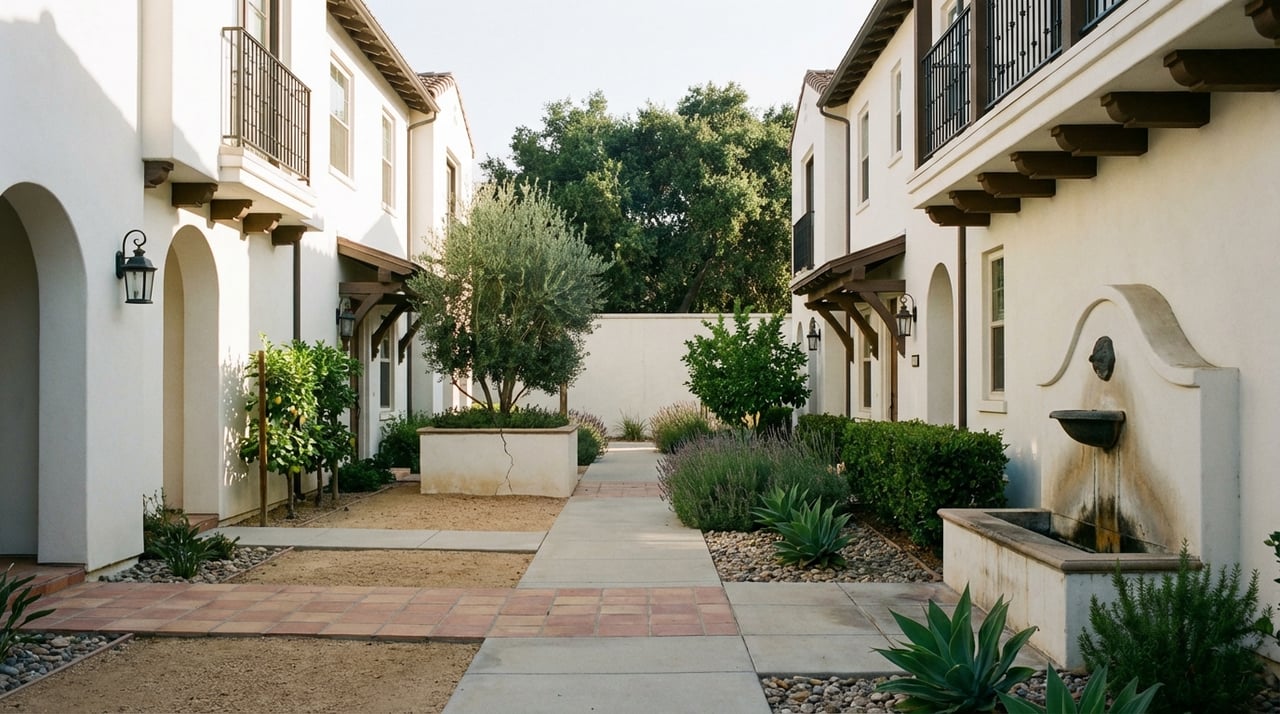
Thinking about trading yard work for walkable convenience in Palo Alto? Condos and townhomes can deliver a simpler routine, predictable exterior upkeep, and locations close to shops and Caltrain. You still want control, value, and clear next steps before you buy. In this guide, you’ll learn where attached homes cluster, what HOA dues really cover, how to review the HOA packet, and the financing checks that matter. Let’s dive in.
Why low-maintenance living works here
Palo Alto’s attached homes sit in corridors that make daily life easier. You can step out for coffee, bike to campus, or catch a train without planning around yard schedules or exterior projects. In exchange, you accept HOA rules and a monthly fee that funds shared maintenance and reserves.
The key tradeoff is simple: you reduce hands-on maintenance and gain walkability, while adopting HOA structure and shared decision-making. For many professionals and downsizers, that balance makes sense.
Where condos and townhomes cluster
Palo Alto’s attached housing concentrates along a few walkable, transit-friendly corridors. Local brokerage overviews place most options around University Avenue, California Avenue, El Camino Real, and pockets in Barron Park, Ventura, and South Palo Alto. You can skim a neighborhood overview of building types and locations in this Palo Alto condos and townhomes guide.
Downtown and University Avenue
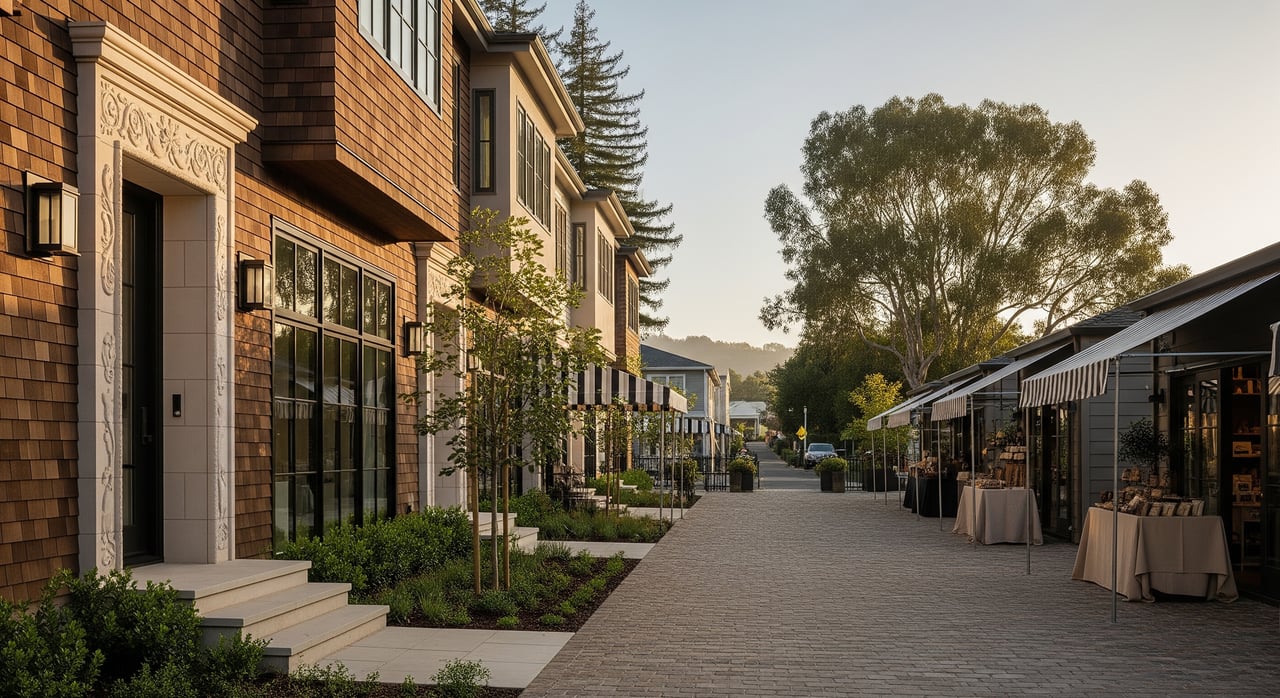
You’ll see mid-rise, elevator-served condo buildings plus select boutique townhomes. This area offers strong walkability, restaurants, and proximity to Caltrain and Stanford. If you value single-level living with on-site amenities, downtown condos tend to be a fit.
California Avenue and College Terrace
This submarket blends smaller condo buildings and low-rise townhomes with a calmer, neighborhood feel. You get local retail and a walkable street grid without the busier downtown vibe.
Midtown and El Camino Real
Expect more mid-century, low-rise condos and townhomes with easier car access and often slightly lower price points than the downtown nodes. Think garden-style buildings and courtyard layouts.
Barron Park, Ventura, and South Palo Alto
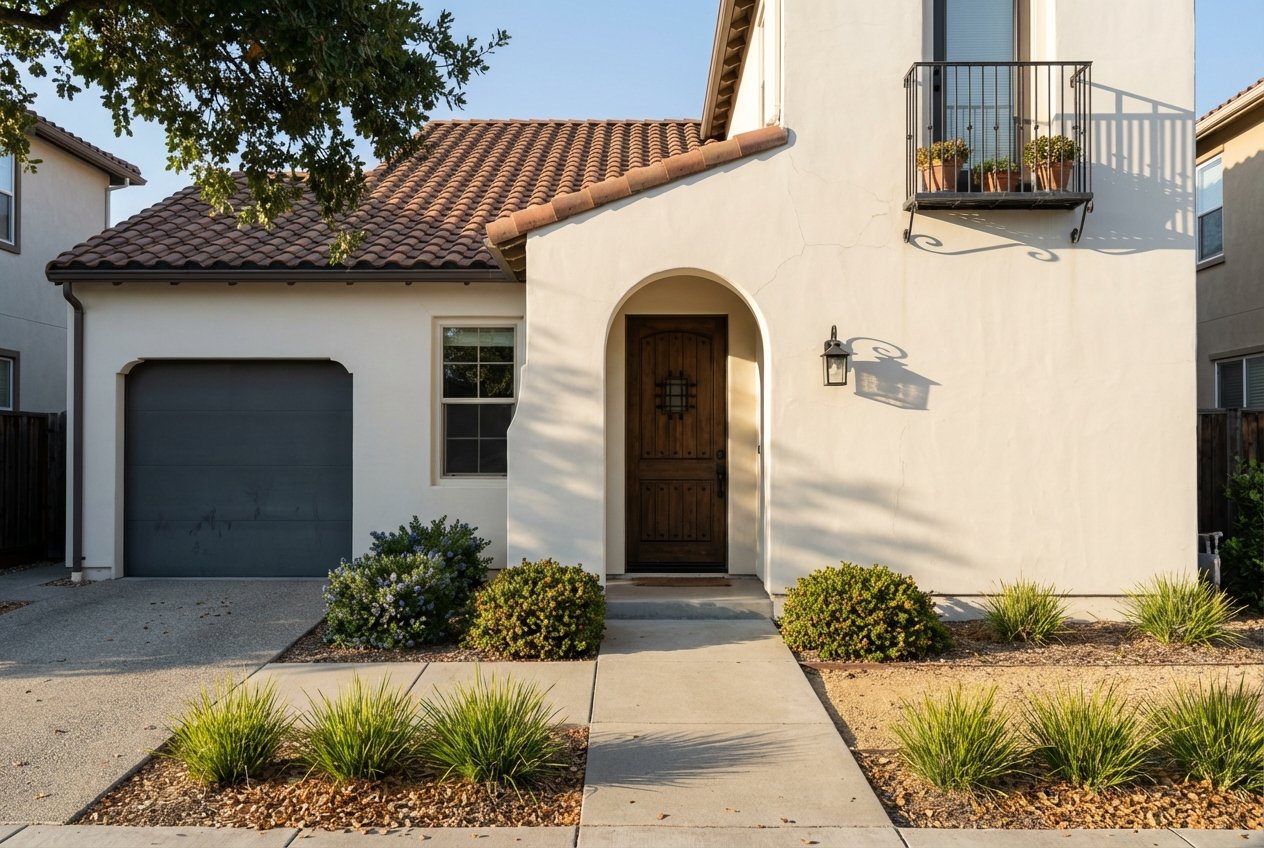
These pockets offer townhomes and small condo clusters. Many townhomes here include private garages, small patios or yards, and multi-level layouts that feel closer to a single-family home.
Building types and ownership basics
Condominiums
- Elevator mid-rise condos often include amenities like a staffed lobby, fitness room, and secure parking. Units are typically single level, which appeals to buyers who want fewer stairs.
- Garden or courtyard condos from the 1960s to 1980s are common along El Camino and Midtown. These tend to be low-rise with exterior corridors and landscaped common areas.
In a condo, you own the interior space and share the building structure and grounds with other owners. Maintenance for roofs, siding, elevators, and landscaping usually runs through the HOA budget.
Townhomes and PUD-style ownership
Attached townhomes in Palo Alto often span two to three levels and may be fee-simple or part of a planned unit development. You may own the land under the unit and be responsible for more of the exterior. Some townhome communities carry lower dues because owners take on part of the exterior upkeep. Rules still apply, but the maintenance mix differs from a condo.
Age and construction checkpoints
Mid-century buildings can carry original plumbing or electrical, older roofs, or soft-story conditions that call for retrofit planning. Newer infill and podium buildings typically have modern systems and different reserve needs. For older buildings, look for any soft-story or seismic notes in board minutes and local reporting. A local article explains how multi-family complexes often pool resources for seismic work and other upgrades; it is a helpful reminder to check building safety history.
HOA dues, coverage, and real costs
HOA dues vary widely in Palo Alto. What you pay depends on amenities, staffing, building systems, insurance, and utilities included.
- What dues commonly fund: exterior maintenance, roofs, landscaping, common utilities in some cases, elevators, pool or fitness, garbage, master insurance, professional management, and reserves. For a quick primer on coverage and master policies, review this HOA insurance overview.
- Local listing examples show the range: a downtown mid-rise with concierge-level amenities can run around 1,300 dollars per month, while a lower-amenity El Camino corridor condo might be closer to 600 dollars per month. These are illustrations and not guarantees.
What to do next: compare total cost of ownership, not just mortgage and taxes. Add HOA dues, owner’s interior insurance, utilities not covered by the HOA, and a contingency for special assessments.
How to read the HOA packet
California’s Davis-Stirling Act sets the framework for HOA governance, disclosures, and record-keeping. CC&Rs and bylaws bind all owners, so plan time to read them. You can review the statute summary here: Davis-Stirling Common Interest Development Act.
In California, the seller or HOA typically provides the resale packet, often with an itemized cover sheet. Buyers commonly use a 7 to 14 business day HOA contingency window to evaluate the documents. For a plain-language overview of what a resale packet includes, see this resale disclosure guide.
Documents to request immediately
- Full resale or estoppel packet with cover sheet and fee disclosures. For a checklist, reference this document and budget guide.
- CC&Rs, bylaws, articles, and rules or recorded amendments.
- Current operating budget, year-to-date financials, and most recent reserve study.
- Board meeting minutes for the past 12 to 24 months, plus vendor contracts for elevators, roofs, or major systems.
- Master insurance declarations page, including deductibles and earthquake or flood status. This insurance primer explains typical master policy types and where an HO-6 policy fits.
- Litigation and engineering reports tied to building systems or repairs, and any approved special assessments with terms.
Red flags to watch
- Reserves far below recommended levels or an outdated reserve study with no funding plan.
- Recurring minutes that mention leaks, envelope problems, or major projects without a timeline.
- Active construction-defect or large litigation that could trigger special assessments.
- Very high master policy deductibles or exclusions that shift risk to owners.
- Buildings flagged for safety or critical repairs, which can affect loan eligibility.
Financing and resale considerations
Condo and townhome projects must meet lender standards to qualify for conforming financing. Projects with significant safety issues, inadequate reserves, unresolved large assessments, or weak insurance can be “non-warrantable.” That status limits conventional loan options and may push buyers to jumbo, portfolio, or other pathways. Review lender standards early using Fannie Mae’s condo and PUD eligibility guidance.
What can slow or block approvals: large special assessments, evacuation or repair orders, evidence of structural repairs in progress, inadequate master insurance, high delinquency rates, or excessive commercial space within the project. Get your lender involved before you remove contingencies so the project passes eligibility checks.
Inspection priorities in attached housing
Your property inspection should match the building’s age and systems. In addition to your unit inspection, ask your inspector about:
- Building envelope and roof age, balcony and railing condition, and water intrusion history.
- Plumbing risers, common drains, elevator service logs, and garage structure.
- Any available structural or engineering reports noted in the HOA minutes.
When to bring in a structural engineer or lender early
- If minutes reference soft-story, deck or balcony work, or seismic retrofits without a plan.
- If there are discussions of large assessments or reserves far below recommendations.
- If your lender signals the project may not meet current standards for conforming loans.
Early expert input helps you avoid last-minute financing surprises or unexpected cash calls.
Total cost of ownership: quick worksheet
Use this simple table to estimate your monthly and annual carrying costs. Replace notes with your lender’s figures and the HOA’s actual inclusions.
| Line item | Notes |
|---|---|
| Mortgage payment | Use your quoted rate and loan amount. |
| Property taxes | Estimate based on your purchase price and California’s Prop 13 behavior. |
| HOA dues | Confirm what is included and any planned increases. |
| HO-6 condo or townhome insurance | Coordinate with master policy coverage and deductibles. |
| Utilities not covered by HOA | Power, internet, gas, water, or garbage if not included. |
| Interior maintenance allowance | Budget a modest annual amount for appliances and finishes. |
| Special assessment contingency | Set aside a reserve in case the HOA votes an assessment. |
| Closing costs | Check lender and title estimates for one-time fees. |
Timeline to buy a Palo Alto condo or townhome
- Week 1: Get pre-approved and talk to your lender about condo project checks. Tour target neighborhoods and building types.
- Offer accepted: Request the full HOA resale packet within one business day. Start your HOA review and schedule inspections.
- Days 1 to 7: Read CC&Rs, bylaws, minutes, budget, and reserve study. Ask management for clarifications.
- Days 5 to 10: Complete inspections. If minutes mention structural items, consider a structural engineer.
- Days 7 to 14: Confirm project eligibility with your lender and insurance coverage details. Decide on contingency removals or negotiation.
Market snapshot context
Local pricing moves quickly month to month, and medians vary by neighborhood and building type. One June 2024 area report cited condo medians in the low to mid seven figures, with some segments around 1.1 to 1.2 million dollars. You can review an example market snapshot here: June 2024 Palo Alto area market report. Always pull the latest monthly figures when you are ready to write an offer.
Putting it all together
If you want a lock-and-leave lifestyle with strong walkability and predictable exterior upkeep, Palo Alto condos and townhomes are worth a close look. Match your desired layout to location: downtown for single-level and amenities, Cal Ave for a calmer street feel, or townhome pockets for a more house-like setup with a private garage. Then let the HOA packet, reserve study, and lender project check guide your final decision.
Ready to compare options or want a second set of eyes on an HOA packet? Reach out to Stark Complete Real Estate Services to plan your next move. Call Susan Stark for a private market consultation.
FAQs
Are Palo Alto HOA dues high compared to single-family homes?
- They can be, especially in amenity-rich buildings, because dues fund exterior maintenance, master insurance, management, and reserves. Compare total costs, not just dues.
What is the Davis-Stirling Act and why does it matter?
- It is California’s primary HOA law that defines governance, disclosures, and member rights. CC&Rs and bylaws created under this framework are binding on owners.
What makes a condo project non-warrantable for financing?
- Major safety or structural issues, inadequate reserves, large unfunded assessments, weak insurance, or excessive commercial space can prevent conforming financing.
How do townhomes differ from condos for maintenance?
- Many townhomes are fee-simple, so owners may handle more exterior upkeep and sometimes pay lower dues. Condos centralize more exterior costs through the HOA.
Can I install an EV charger in a condo or townhome?
- Many townhomes with private garages make Level 2 charging easier. Condo installs usually need HOA approval and building wiring work, so confirm timelines and costs early.